Uni-1
March 22, 2026
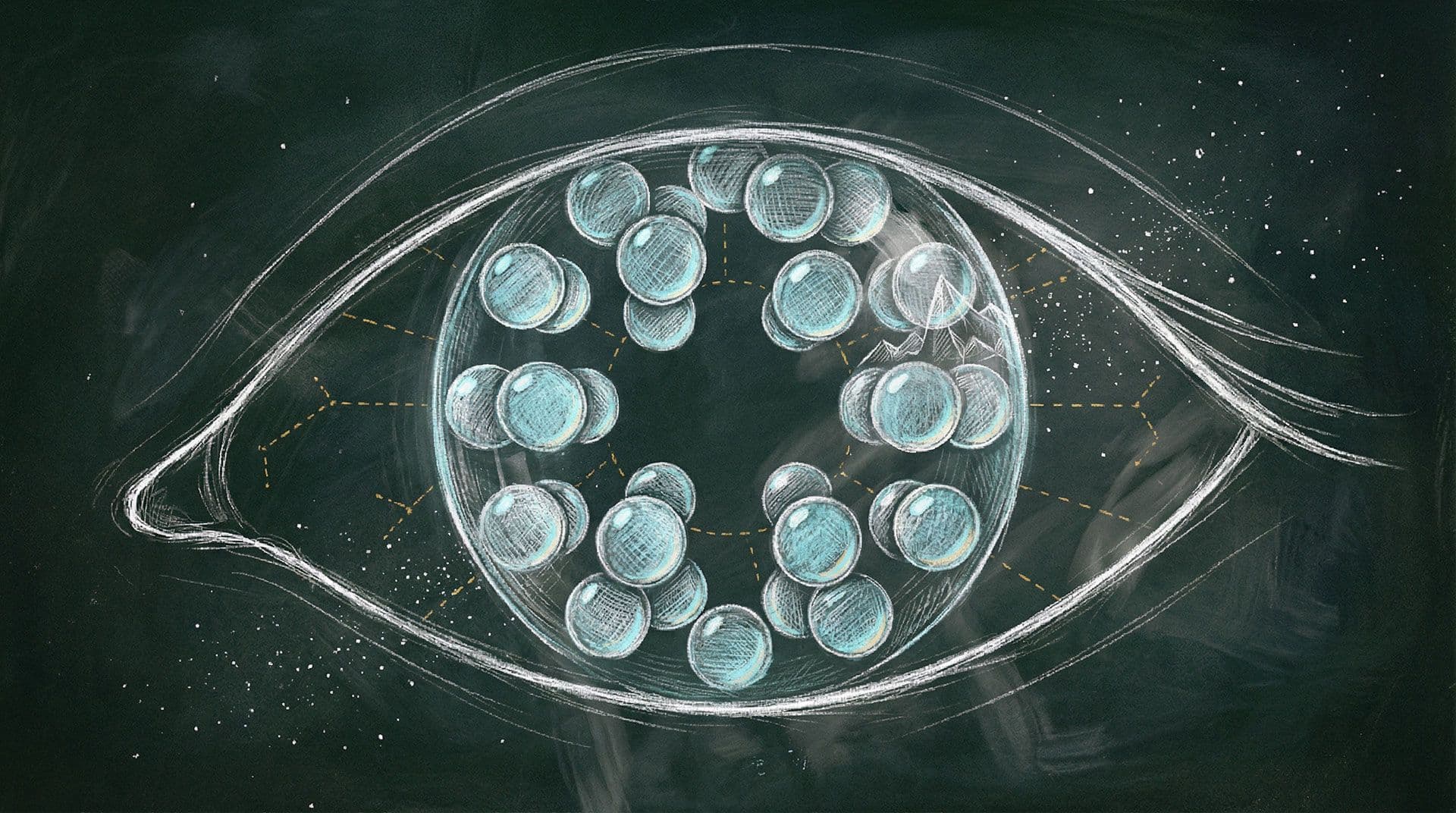
Uni-1 is our first unified model designed for both image creation and precision editing. What makes it powerful isn’t just output quality—it’s control. You can generate entirely new images, or surgically modify existing ones, all while guiding the system with references, seeds, and structured prompts.
This guide gives you a working mental model and practical workflows—from your very first image to advanced multi-reference setups—so you can move from exploration to repeatable results.
What makes Uni-1 different
Uni-1 stands out because it combines flexibility with structure:
- Two clear modes
- Create Image → generate something new
- Modify Image → edit something existing
- Up to 9 reference images, each with a defined role
- Strong control over niche and specific visual styles
- Seed support for reproducibility and controlled iteration
- Nine aspect ratios, from ultra-tall to ultra-wide
If you understand the modes and how to control references, you understand Uni-1.
The core distinction: Create vs Modify
Everything in Uni-1 starts with a simple question:
Am I creating something new, or changing something that already exists?
Create Image
- Produces a brand-new composition
- Can be inspired by references, but does not preserve them
Modify Image
- Edits a specific input image
- Preserves composition and structure unless told otherwise
Examples:
Modify:
Make this photo look like nighttime
Create:
Create a new scene in the style of this photo
When in doubt:
- If the output should look like a version of your input, use Modify
- If it should feel inspired but new, use Create
Your first image
Start simple:
- Open Create Image
- Write a prompt
- Choose an aspect ratio
- Generate
Example prompt:
A wide cinematic landscape at golden hour. Rolling green hills, a lone tree in the foreground, warm orange light, dramatic clouds. Photorealistic.
Don’t overthink it. The real workflow is:
prompt → evaluate → refine
Leave the seed blank while exploring. Once you find something strong, lock it and iterate from there.
Understanding the core parameters
Prompt
Your primary control. Up to 6,000 characters. Be precise.
Aspect ratio
Controls framing, not quality. Choose based on use case.
Seed
Controls randomness:
- Same seed + same prompt → same result
- Same seed + changed prompt → controlled variation
- No seed → exploration
Reference images (Create)
Up to 9 images to guide different aspects.
Source image (Modify)
The image you are editing. Dimensions are preserved automatically.
Working with reference images
References only work if you tell the model what they are for.
Use this structure:
Use IMAGE1 ([description]) as a [ROLE] reference.
Possible roles:
- Style
- Character
- Composition
- Color palette
- Lighting
- Texture
- Mood
Without roles, the model guesses—and guesses are unreliable.
Example prompts
Create mode
Style reference
Use IMAGE1 (impressionist oil painting with loose brushwork and warm sunset tones) as a STYLE reference. Create a portrait of a woman in her 30s applying IMAGE1’s color palette and painterly texture. The subject should be new.
Character reference
Use IMAGE1 (woman with short copper-red hair, freckles) as a CHARACTER reference. Preserve her features. Generate a new scene: she’s sitting in a softly lit café.
Multi-reference
Use IMAGE1 as a COLOR PALETTE reference, IMAGE2 as LIGHTING, IMAGE3 as COMPOSITION. Create a lone figure walking through a rain-slicked street at night.
Modify mode
In Modify mode, clarity is everything.
Change the time of day to golden hour. Update sky, light direction, shadows, and color temperature. Keep all subjects and composition unchanged.
Make the rain heavier and add reflections on the ground. Keep all other elements unchanged.
Always specify:
- What to change
- What must stay untouched
Prompting guidelines
Recommended lengths:
- Text-to-image → 80–250 words
- Reference-guided → 100–300 words
- Modify → 30–100 words
Avoid:
- Vague terms (“beautiful,” “amazing”)
- Redundant phrasing
- Conflicting instructions
Do this instead:
Golden hour, 85mm lens, shallow depth of field
Uni-1 performs best with specific, named aesthetics:
1970s Italian giallo film poster, high-contrast color blocking
Precision beats generality.
Aspect ratios
Choose based on where the image will live:
- 1:1 → social posts
- 9:16 → vertical video
- 16:9 → widescreen
- 3:2 / 2:3 → photography
- 2:1 / 3:1 → cinematic/panoramic
- 1:2 / 1:3 → ultra-tall
In Modify mode, aspect ratio is locked to the source image.
Seeds: control and reproducibility
Seeds turn experimentation into systems.
- Fixed seed → consistency
- No seed → exploration
Workflow:
- Explore (no seed)
- Find a strong result
- Lock the seed
- Change one variable at a time
Save your prompt + seed together. That’s your reusable recipe.
Advanced techniques
Character consistency
- Generate a clean, front-facing reference image
- Reuse it as IMAGE1 (CHARACTER) in every scene
- Keep the label identical across prompts
Multi-reference architecture
Assign one role per image:
- IMAGE1 → character
- IMAGE2 → style
- IMAGE3 → lighting
- IMAGE4 → environment
End with:
Treat each reference as having authority over its assigned layer only.
Create → Modify chain
- Use Create to explore compositions
- Use Modify to refine details
This is one of the most powerful workflows.
Iterative refinement
- Explore (no seed)
- Lock seed
- Change one variable per generation
- Document results
It feels slower, but it’s actually faster because you always know what changed.
Troubleshooting
- References ignored → label each one clearly
- Modify changes too much → explicitly state what must stay unchanged
- Inconsistent outputs → lock the seed
- Prompt partially ignored → remove conflicts or split into steps
- Looks like the reference image → you may be in Modify mode
- Character inconsistency → reuse a canonical reference image
Quick reference
Create Image
- New compositions
- Text + up to 9 references
- Descriptive prompts
Modify Image
- Edits existing images
- Source image + references
- Direct, surgical prompts
The golden rules
- Label every reference
- In Modify mode, always state what should NOT change
- Change one variable at a time when refining
- Save prompt + seed for reproducibility
- Create = new scenes, Modify = edits
A helpful reminder
Uni-1 isn’t about getting the perfect result on the first try. It’s about building control over outcomes. The more structured your approach — clear roles, consistent seeds, deliberate iteration — the more predictable and powerful your results become.
Key takeaway
Mastering Uni-1 comes down to three things:
Choose the right mode → control your references → iterate with intention.
Once those are in place, you’re no longer guessing, you’re directing.